ByJohn A
Connected Technology in Healthcare Systems
Connected technology in healthcare systems integrates devices, data, and connectivity to support care delivery and governance. Interoperability enables seamless data flows that inform outcomes, reduce duplication, and guide resource allocation. A governance-informed approach emphasizes measurable metrics, real-time monitoring, and scalable infrastructure. Privacy, security, and trust are foundational for stakeholders and patients alike. The combined effect is proactive interventions and data-driven decisions, yet challenges remain in standardization and accountability that demand further examination.
What Connected Technology Really Is in Healthcare Systems
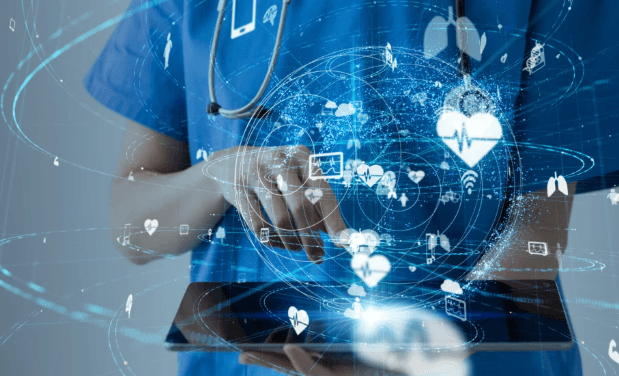
Connected technology in healthcare systems encompasses the integration of digital devices, data, and connectivity to support patient care, operational efficiency, and strategic governance. This framework centers on governance-informed decisions, measurable outcomes, and scalable infrastructure. Connected devices enable real-time monitoring, while data interoperability ensures seamless information flow across domains, reducing redundancy and enhancing transparency in strategic planning and resource allocation.
How Interoperability Shapes Patient Care and Outcomes
Interoperability directly influences patient care and outcomes by enabling timely access to complete, accurate information across care settings.
Data-driven governance frameworks quantify impact through standardized metrics, reducing redundancy and errors.
Strategic alignment encourages interoperability incentives and data sharing incentives, fostering seamless care transitions, evidenced by measurable improvements in outcomes, reduced duplication, and enhanced clinician decision-making without compromising system-wide accountability or patient autonomy.
Securing Privacy and Trust Across Networks
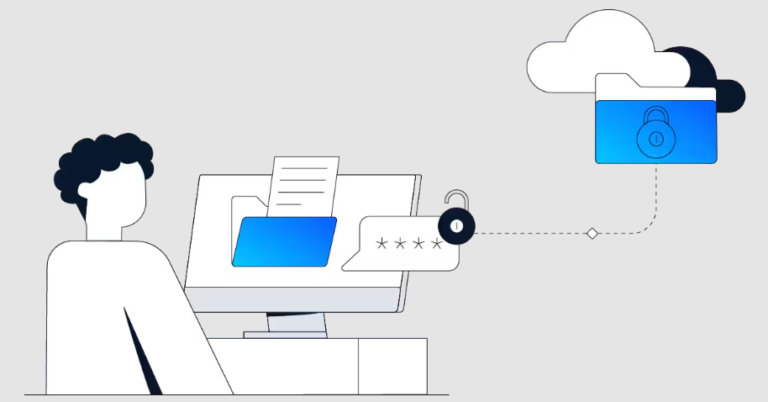
Strategic risk reduction enhances interoperability reliability, while governance frameworks deliver measurable trust assurance, enabling informed decisions, accountable stakeholders, and resilient, transparent networks that balance innovation with protection and freedom.
From Data to Decisions: AI, Remote Monitoring, and the Patient Journey
From data to decisions, the integration of AI and remote monitoring reshapes the patient journey by turning disparate streams into actionable insights for clinical governance. Data-driven models align care pathways with real-time signals, enabling proactive interventions and standardized metrics. This approach enhances clinician engagement, reduces variability, and supports strategic allocation of resources, fostering transparent accountability and measurable outcomes across the care continuum.
See also: Connected Technologies and Data Flow
Frequently Asked Questions
How Does Telemedicine Impact Patient Experience During Urgent Care?
Telemedicine improves urgency-driven patient experiences by streamlining telemedicine workflow and reducing wait times; patient triage dynamics become more efficient, enabling faster prioritization. Data-driven governance supports adaptable protocols, balancing clinical safety with strategic freedom for providers and patients alike.
What Are Cost Implications of Deploying Connected Health Technologies?
Cost implications include analyzing cost models and ROI metrics to balance upfront investments, ongoing maintenance, and scalability. A data-driven, governance-focused approach supports strategic decisions, enabling freedom to optimize efficiency, reduce waste, and align connected health deployments with long-term financial goals.
How Do Patients Control Data Sharing With Providers?
Patients control data sharing via consent workflows with granular privacy settings, enabling access controls and data portability; wearable accuracy informs decisions, while patients’ empowerment rests on clear consent, data granularity options, and robust privacy safeguards in governance frameworks.
Can AI Misinterpret Data From Wearables in Real Time?
AI misinterpretation can occur, even with Real time sensing; safeguards, audits, and governance structures are essential for detecting errors, ensuring transparency, and preserving clinician trust while enabling data-driven freedom in care decisions.
What Training Do Clinicians Need for New Connected Tools?
Training requirements for clinicians emphasize continuous competency in data interpretation, privacy, and device ergonomics, supporting technology adoption. Governance-driven curricula leverage metrics, risk assessments, and simulations, aligning with strategic objectives while preserving professional autonomy and patient safety.
Conclusion
Connected technology in healthcare systems enables measurable outcomes through interoperable data flows and governance-driven metrics. As real-time monitoring and AI-derived insights scale, data becomes actionable intelligence that informs patient journeys and resource optimization. Security remains foundational, with transparent accountability across stakeholders. Together, these elements convert digital connectivity into resilient care delivery. Conclusion: like a well-orchestrated symphony, interoperable platforms harmonize data, decisions, and governance to deliver patient-centered, value-based care at scale.